Blinds and shades can both improve privacy, manage daylight and complete a room, but they do those jobs differently. The better choice depends on how much light control you want, the room’s moisture and cleaning demands, your preferred look and whether insulation matters. Here is how those differences affect everyday use.
The Basic Difference Between Blinds and Shades
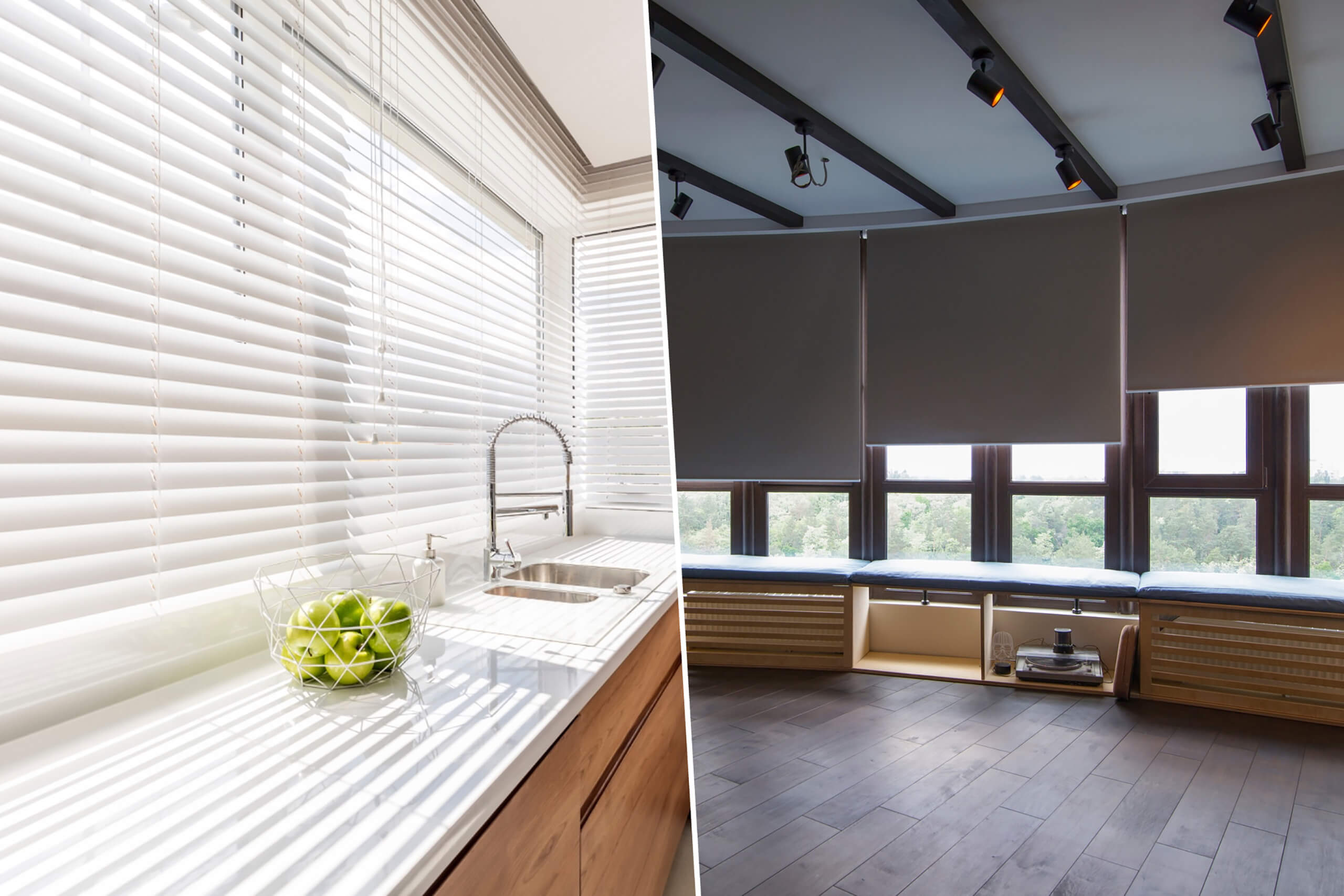
Blinds generally use rigid horizontal or vertical slats. You can tilt the slats to redirect daylight and limit views without raising the entire covering. Our custom window blinds include real wood, faux wood and aluminum options. Wood adds warmth, faux wood suits many moisture-prone rooms, and aluminum offers a slim, practical finish.
Shades use flexible material that rolls, folds or stacks. Our custom window shades include roller, sunscreen, cellular, transitional, sheer and panel styles. Some products blur the distinction: transitional shades use alternating sheer and opaque bands, while sheer shades have adjustable fabric vanes.

Blinds vs Shades for Light Control
Blinds provide precise, directional control. Tilting the slats can reduce glare while leaving some daylight and outdoor view. Ordinary blinds are not automatically room darkening, however, because light can pass between the slats and around the edges.
With shades, light control depends mainly on fabric opacity. Light-filtering fabrics soften daylight, sunscreen fabrics reduce glare while preserving some view, and room-darkening fabrics block more light. Actual darkness also depends on the measurements, mounting position and edge gaps. Neither category guarantees blackout conditions.
Privacy During the Day and at Night
Tilted blinds can balance privacy and daylight as outdoor sightlines change. Shades depend more heavily on fabric and position. An opaque shade may need to be lowered for privacy, while a sunscreen or sheer fabric that obscures daytime views may reveal silhouettes after dark when the room is lit.
If privacy is the main concern, consider the window’s height, direction and proximity to neighbours rather than relying on a fabric label alone. We also outline other ways to improve window privacy.
Insulation and Comfort
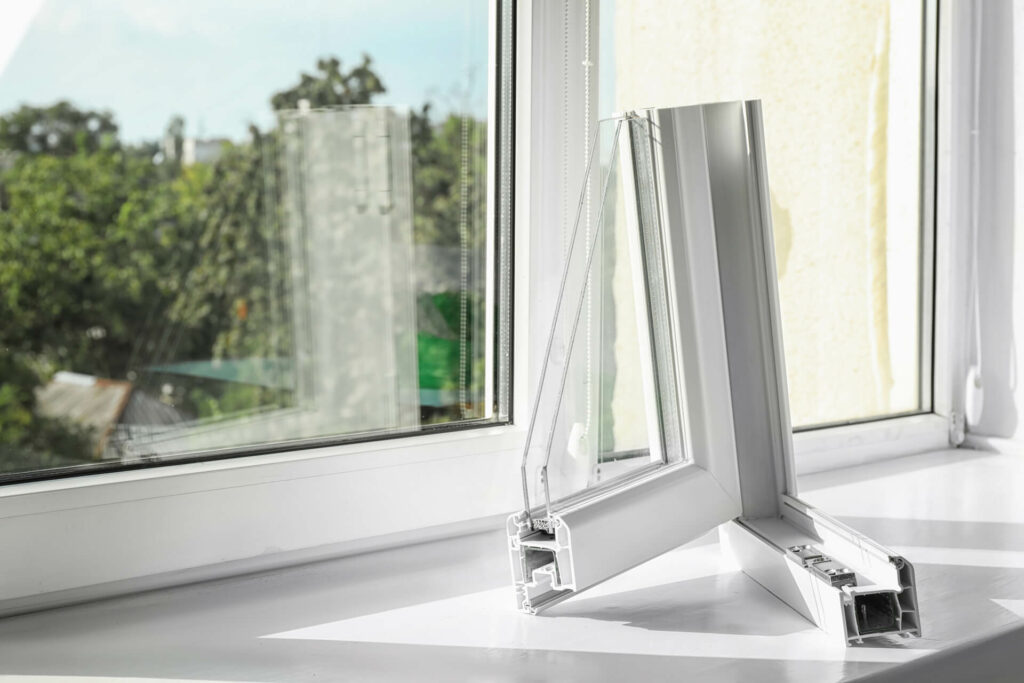
Not every shade is insulating. Cellular shades are specifically designed with air pockets that add an insulating layer at the window, which can help with winter comfort in Saskatchewan. Blinds mainly manage direct sunlight, glare and radiant comfort. Neither covering should be treated as a substitute for an efficient, properly installed window.
Cleaning, Moisture and Durability
Blinds are generally straightforward to wipe, although individual slats collect dust. Aluminum slats may bend if handled roughly. Moisture-resistant faux wood is often practical in kitchens, bathrooms and laundry rooms, while real wood requires more caution around humidity.
Fabric shades may require dusting, careful vacuuming or spot cleaning according to the manufacturer’s instructions. Before installing a shade near a sink, stove, shower or tub, confirm that its fabric and hardware suit the room’s moisture and cleaning demands.

Style and the View When Open
Blinds create crisp lines and a structured, architectural appearance. Shades tend to look softer and less visually busy because one fabric panel replaces multiple visible slats.
Also consider what the covering looks like when open. Compare how much trim it hides, the size of the raised stack or roll and how much of the outdoor view remains visible.
Are Blinds Cheaper Than Shades?
Neither category is always cheaper. Window size, material, fabric, opacity, hardware, operating system, motorization and custom fitting can affect the price more than the words “blind” or “shade.” Compare quotations based on the same window and performance requirements.
Which Is Better for Your Room?
| Room or priority | Practical starting point |
|---|---|
| Precise light adjustment | Blinds, transitional shades or sheer shades |
| Bedroom | A well-fitted room-darkening shade; blinds if adjustable daylight matters more than darkness |
| Bathroom or kitchen | Moisture-resistant faux wood or aluminum blinds; shades only when their materials suit the conditions |
| Sunny room | Sunscreen or transitional shades for glare; blinds for directional adjustment |
| Insulation | Cellular shades |
| Hard-to-reach window | An eligible motorized shade |
| Large opening or patio door | Vertical or panel options; see window coverings for large windows and patio doors |
Cordless and Motorized Operation
Operating style can matter as much as the covering itself. Cordless controls create a clean look, while eligible motorized blinds and shades can simplify daily use on tall windows or groups of coverings. We currently offer motorization on select cellular, transitional and sheer shade styles. Our guide explains whether motorized blinds are worth it.
Health Canada says coverings without long accessible cords are safest where children live or visit. Follow the manufacturer’s installation and safety instructions.
Questions to Ask Before Choosing
- How much privacy do I need during the day and at night?
- When is glare strongest at this window?
- Will the covering face moisture, cooking residue or frequent cleaning?
- Will it mount inside or outside the frame?
- Is there enough clearance around the trim and window hardware?
- What fabric opacity and edge-gap performance do I expect?
- Are children or pets present?
- Do all rooms need to match, or should each solve a different problem?
Blinds or Shades: The Final Recommendation
Choose blinds when adjustable slats, easy wiping and a structured appearance matter most. Choose shades when you prefer a softer look, a particular opacity or the insulating construction of a cellular design. In many living areas, either can work when properly measured and matched to the room.
Still deciding between blinds and shades? Budget Builders can help you compare materials, fabrics, opacity levels and operating options for your windows. Contact us or visit the store to see samples.