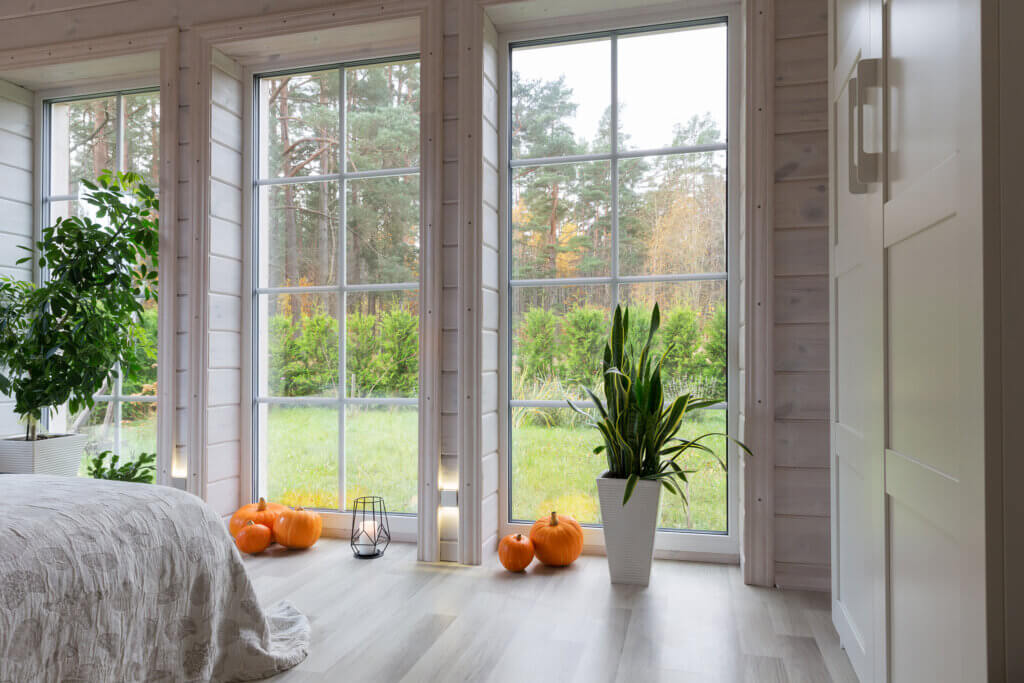

Low-E windows use a thin coating on the glass to help control heat. That can mean better winter comfort, less overheating from strong summer sun, and a home that feels more consistent from room to room. Not every Low-E glass package does the same job. Some are designed mainly to keep indoor heat in. Others are tuned to reduce solar heat from the sun. The right choice depends on your home, your window direction, and how each room feels through the year.
What Low-E Glass Does
Low-E stands for low emissivity. Glass with low emissivity reflects certain types of heat while still letting natural light through. It is usually built into a sealed glass unit with two or three panes, often alongside argon gas and a warm-edge spacer.

Why Low-E Windows Matter Here
Saskatchewan homes deal with long cold stretches, bright sun, wind, and hot summer afternoons. Low-E windows can help reduce heat loss in winter and, depending on the glass package, reduce unwanted heat gain in summer.
That is why glass choice should not be based only on a product name. A north-facing bedroom, a west-facing living room, and a large south-facing picture window may each need a different balance of insulation, sun control, and daylight.
The Three Numbers To Compare
When reviewing quotes, ask for the actual ratings, not just the feature list.
U-factor: Measures heat loss. Lower is better for insulation.
SHGC: Measures how much solar heat passes through. Lower means more sun control.
Visible transmittance: Measures how much daylight comes through. Higher means a brighter room.
In Canada, the Energy Rating also helps compare overall window performance because it factors in heat loss, solar gain, and air leakage. For a deeper explanation of these terms, see our guide to Window & Door Ratings & Terms
Which Low-E Type Makes Sense?
For most homeowners, room direction is the easiest way to think about Low-E windows.
North-facing windows: Prioritize insulation because these windows get less direct sun.
East-facing windows: A balanced glass package often works well because morning sun is usually easier to manage.
South-facing windows: Balance winter sunlight with summer comfort. Overhangs, trees, room size, and glass area all matter.
West-facing windows: Consider more solar control because late-day sun can make rooms hot and uncomfortable.
Large windows or patio doors: Pay closer attention to the glass package because bigger glass areas have a bigger effect on comfort.
What About UV, Fading, and Glare?
Many Low-E glass packages help reduce ultraviolet light, one factor that can fade flooring, furniture, fabrics, and artwork. They do not stop fading completely, but they can help protect interior finishes.
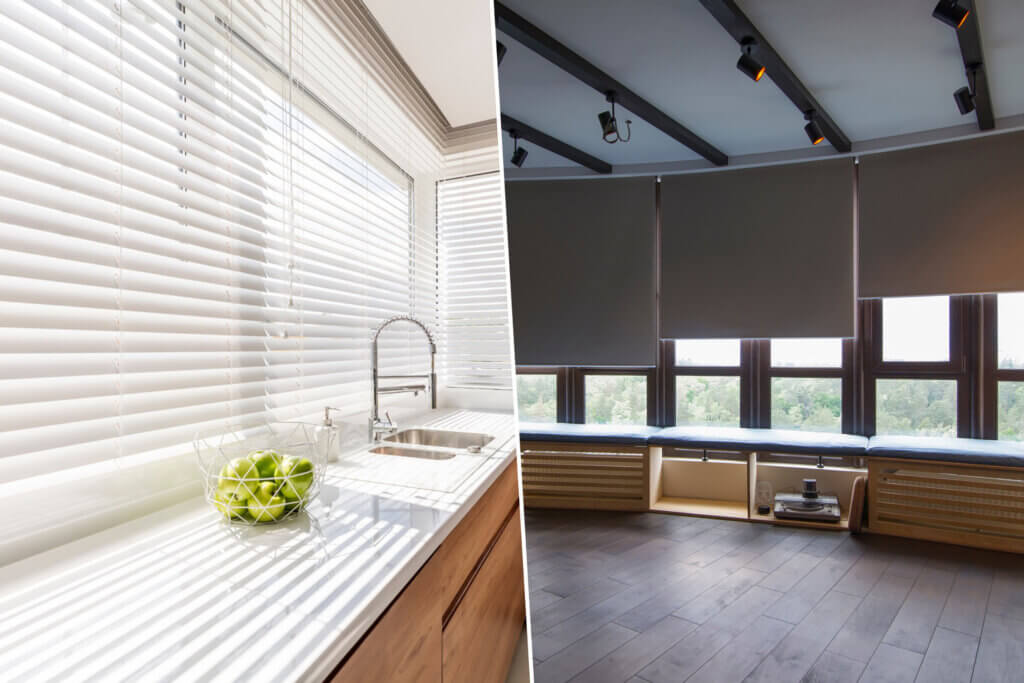
For sunny rooms, Low-E glass can also work with blinds or shades to reduce glare, manage privacy, and keep the space more comfortable.

Low-E Works Best With the Full Window Package
Low-E matters, but it is only one part of energy efficient window glass. Argon gas helps slow heat transfer between panes. Triple-pane glass can improve winter comfort. Warm-edge spacers help reduce heat loss around the edge of the glass, where cold spots and condensation often show up first.
For related reading, see our guides to argon-filled windows, and triple-pane windows.
Questions To Ask Before Choosing
Before choosing Low-E glass windows, ask:
- Is this glass package better for insulation, solar control, or both?
- What are the U-factor, Energy Rating, SHGC, and visible transmittance?
- Is it double-pane or triple-pane?
- Does it include argon gas?
- Would different rooms benefit from different glass options?
The best choice is not always the most expensive option. It is the option that fits the room, the window size, and the way sunlight hits your home.
Are Low-E Windows Worth It?
For most Saskatchewan replacement window projects, Low-E windows are worth considering. They can improve comfort, support better energy performance, and help manage sun exposure throughout the year.
Budget Builders installs replacement windows selected for Saskatchewan conditions. If you are replacing windows in Regina or the surrounding area, we can help you compare options and choose a package that fits your home and budget.